
News CANADIAN NEWS July 24, 2026
Trump Administration Imposes New 10% to 12.5% Tariffs
The tariffs on more than 60 trading partners are aimed at eliminating forced labor from global supply chains, according to the administration.
Key Takeaways
• The Trump administration replaced the expired 10% global tariff with new duties of 10% to 12.5% on 60 U.S. trading partners.
• The tariffs were issued under Section 301 and framed to combat forced labor in global supply chains.
• The move extends the administration’s trade overhaul despite ongoing court challenges and criticism that forced labor is being used as a pretext.
The Trump administration has put into place tariffs aimed at dozens of countries, which took effect Friday at 12:01 a.m. and replace the now-expired global 10% tariff.
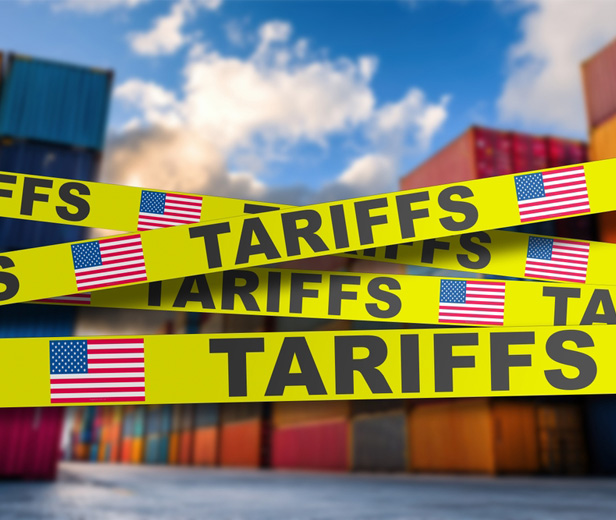
The new tariffs on 60 of the U.S.’s trading partners range from 10% to 12.5% and are designed to help eliminate forced labor from global supply chains, according to a fact sheet released by the U.S. Trade Representative. The duties were issued under Section 301 of the Trade Act of 1974, allowing the president to place tariffs on countries that engage in unreasonable or discriminatory trade practices.
“The United States is setting high standards for protecting workers at home and abroad by taking tough action to root out modern slavery from global supply chains,” the fact sheet stated.
The announcement comes a few days after the Trump administration announced new 50% tariffs on Canadian goods under Section 338 of the Tariff Act of 1930, in response to what the administration says are ongoing trade inequities in the U.S. auto, alcohol and dairy markets. The U.S. also announced it would not renew the U.S.-Mexico-Canada agreement, a reciprocal deal between the three countries that’s set to expire in 2036, triggering a series of ongoing negotiations.
The new global tariffs include some exemptions for oil, gas and certain national resources. Goods already covered under the USMCA and tariffs on cars, steel and other national-security-related goods are also exempt.
The levies also continue a 17-month-long saga to transform global trade – efforts that have continued despite numerous court challenges. In February, the U.S. Supreme Court ruled that President Trump’s reciprocal tariffs were unconstitutional under the International Emergency Economic Powers Act. Roughly two months later, U.S. Customs and Border Protection launched a portal to help businesses reclaim those tariffs.
Following the Supreme Court decision, the White House issued a proclamation imposing a temporary 10% tariff on imports from most countries using Section 122 of the Trade Act of 1974. The temporary fix had a 150-day limit, which expired Friday. The use of Section 122 has also faced legal challenges, with a group of small businesses and a coalition of states suing the administration. In May, a panel of federal judges agreed, finding the 10% global tariffs illegal. The administration appealed, and courts allowed the government to continue collecting the import duties as the appeal progresses.
The latest round of tariffs is comparable to the tariffs President Trump put on China in his first term, and his use of Section 301 to justify tariffs has survived multiple court challenges. However, it’s never been used in such a sweeping way before, and critics of the new tariffs question whether the motives behind the levies are really about rooting out forced labor.
The small differential in tariffs between the European Union and China “just brings home that USTR is using this forced labor investigation as a pretext to impose tariffs that Trump wants to impose for his own economic theories and preferences,” Peter Harrell, a visiting scholar at Georgetown Law School and former Biden administration official, told The New York Times.